PMU laser removal: when it is the right call, and when it is not.
On the specialist laser used to lift old cosmetic pigment, the honest reasons to consider a course, and how removal sits inside a considered restoration plan.

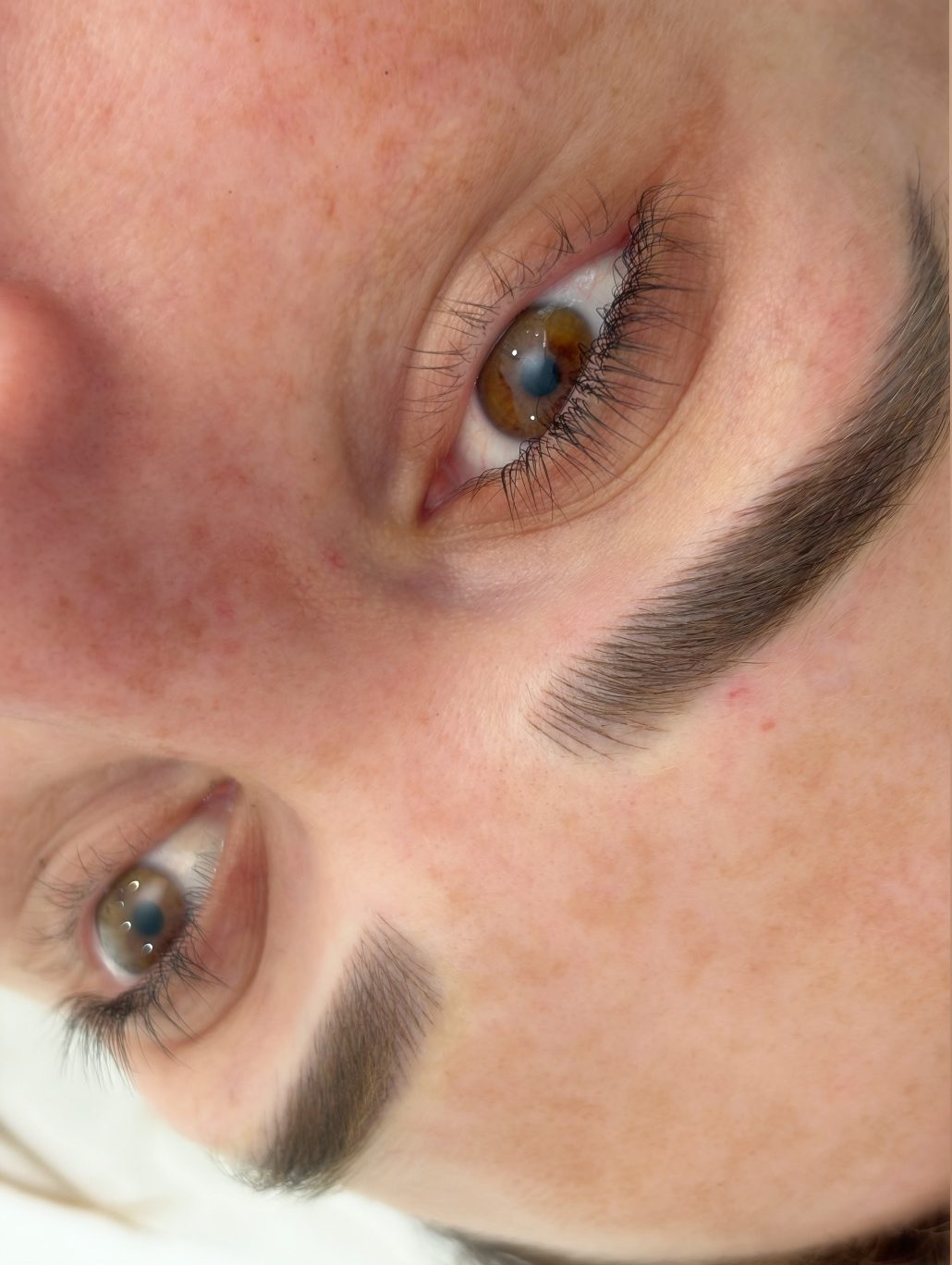
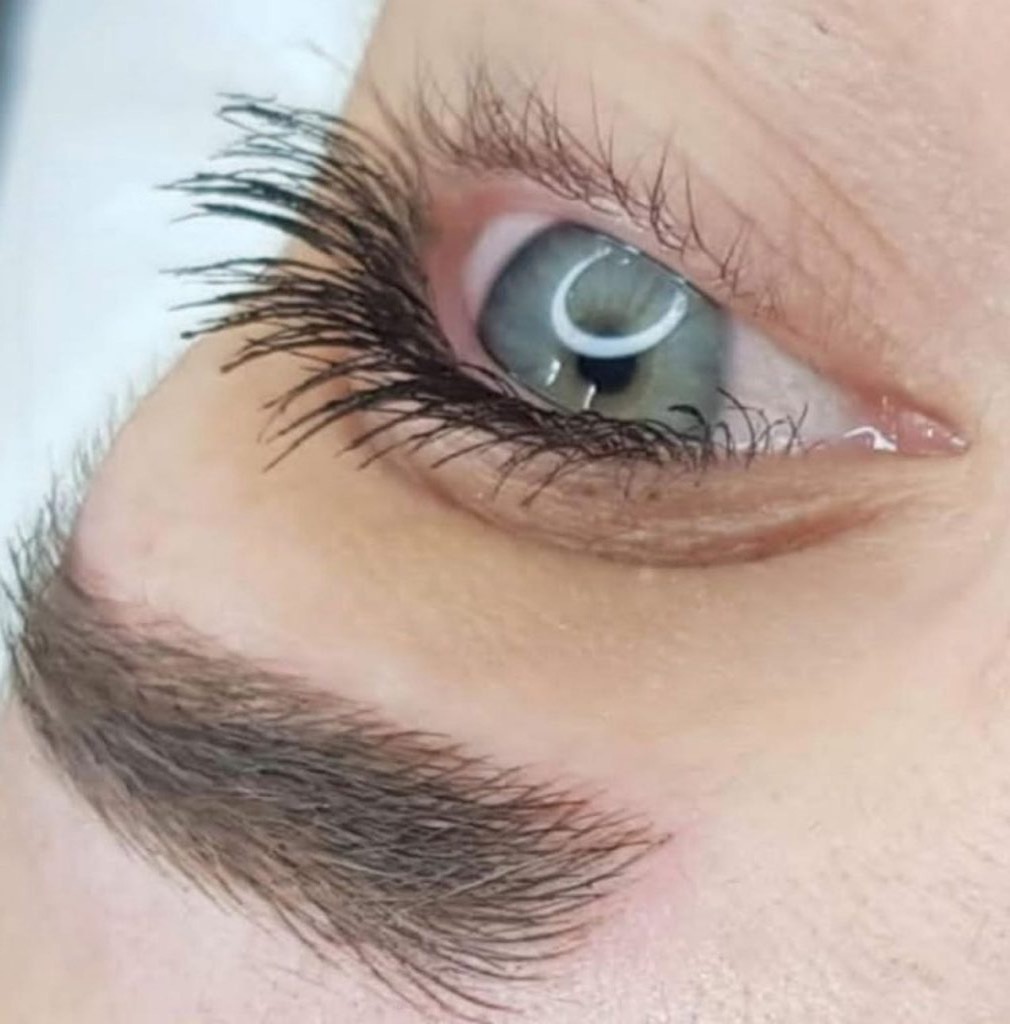
Most clients who come in for PMU laser removal have work that no longer suits them: brow strokes that have blurred, a colour that has shifted cool, a shape that has drifted, or old work stacked on top of older work. They rarely arrive because they want the treatment. They arrive because the work on their face no longer represents the person wearing it.
This is a clinical guide to the treatment, the honest reasons to consider it, the reasons not to, and how it sits inside a considered restoration plan at Little London Clinic in Royal Leamington Spa.
What PMU laser removal actually is (and is not)
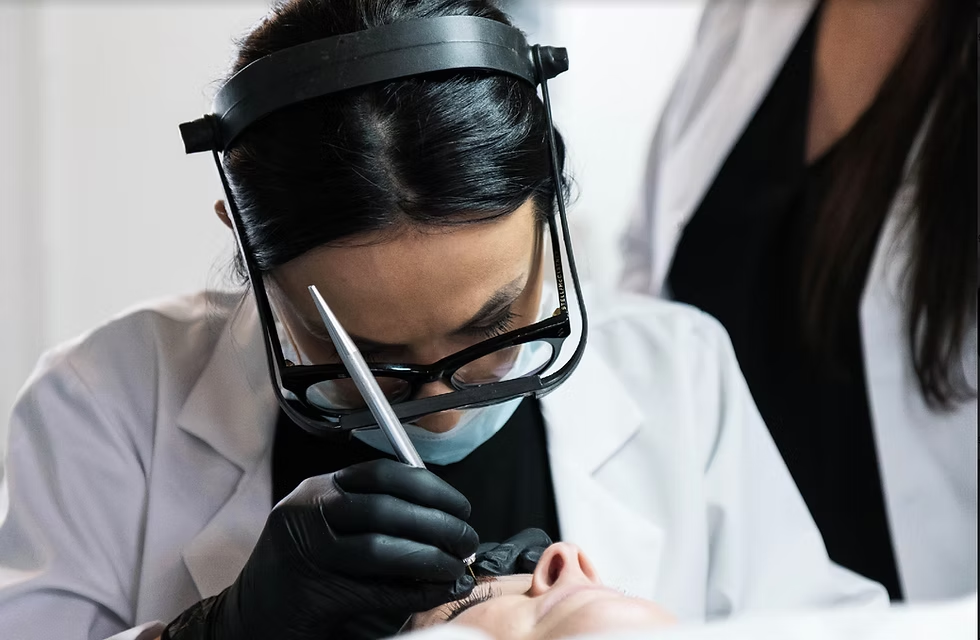
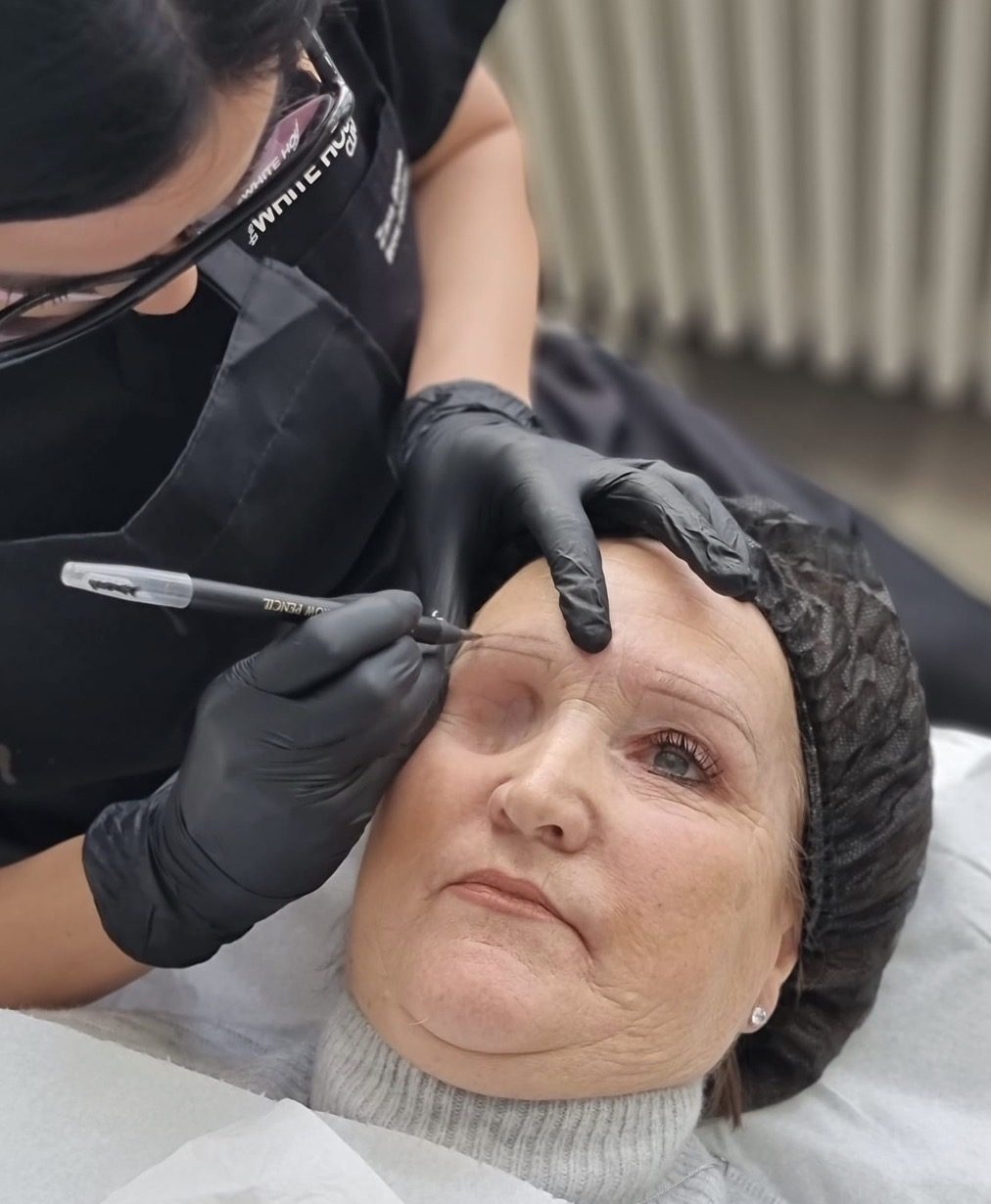
PMU laser removal is a specialist laser treatment for lifting cosmetic tattoo pigment out of the skin. It is not a general aesthetic laser. It uses a wavelength calibrated specifically to the pigments used in brow and lash line restoration and other cosmetic tattooing, which is why it is targeted, controlled and gentle on the surrounding skin.
The laser fragments the pigment particles held in the upper dermis. Once fragmented, the particles are cleared over the following six to eight weeks by the body's lymphatic system. Some of the pigment fades quickly. Some takes several sessions. The visible result on the surface is a progressive lightening of the tattoo, not a same-day removal.
When PMU laser removal is the right call
1. Old work that has drifted cool
Cosmetic pigment shifts as it ages. Warm undertones are cleared first; cooler undertones migrate to the surface. A brow that was warm brown at year one often reads grey, blue or green at year seven. When the shape is still workable but the colour is no longer flattering, a course of removal returns the skin to a warmer working baseline.
2. Shapes that no longer suit
The brows of any given decade tell you what was fashionable at the time. Very thin brows, very heavy brows, sharply angled brows, all have their moments. When the shape you originally had drawn no longer suits your face, no amount of new pigment layered on top will disguise the underlying outline.
3. Skin that has reached capacity
This is the one most people do not realise about. The skin has a finite capacity for cosmetic pigment. Once that ceiling is reached, no amount of skill from a new artist can make the result look good. Read more about this in our skin cup theory essay. When the cup is at or beyond capacity, removal is not optional. It is the only path to a beautiful new restoration.
4. Poor work from elsewhere
Sometimes clients arrive with brow work done at high-street studios that was deposited too deeply, at the wrong angle, or in an incorrect pigment. Camouflaging that work with new pigment on top usually makes it worse. PMU laser removal is often the only route to a fresh start.
When PMU laser removal is not the right call
Not every dissatisfied client needs removal. There are several situations where it is the wrong tool.
- The work is still fading naturally on schedule and will lighten with patience.
- The client wants a small tweak to shape rather than a full reset. A perfecting session with a considered artist is often enough.
- The skin has active dermatological conditions in the treatment area that need addressing first.
- Pregnancy or breastfeeding: removal is deferred until later.
At consultation we will tell you honestly which of these applies to you. Sometimes the answer is: do nothing for six months, then reassess. That is a legitimate treatment plan.
How a typical PMU laser removal course runs
- Consultation and patch test. A written assessment of how much pigment is in the skin, the goal (full removal or partial fade), and a course estimate. Complimentary patch test on the treatment area.
- First session. Cool gel, cool laser pulses across the whole treated area. The session is under 30 minutes. Written aftercare.
- Six to eight week interval. The body clears the fragmented pigment across this window. Do not schedule new work in this window.
- Sessions two to six. Repeated at the same interval until the desired outcome is reached.
- Twelve week settle window. After the final session, the skin fully settles before any new work is planned.
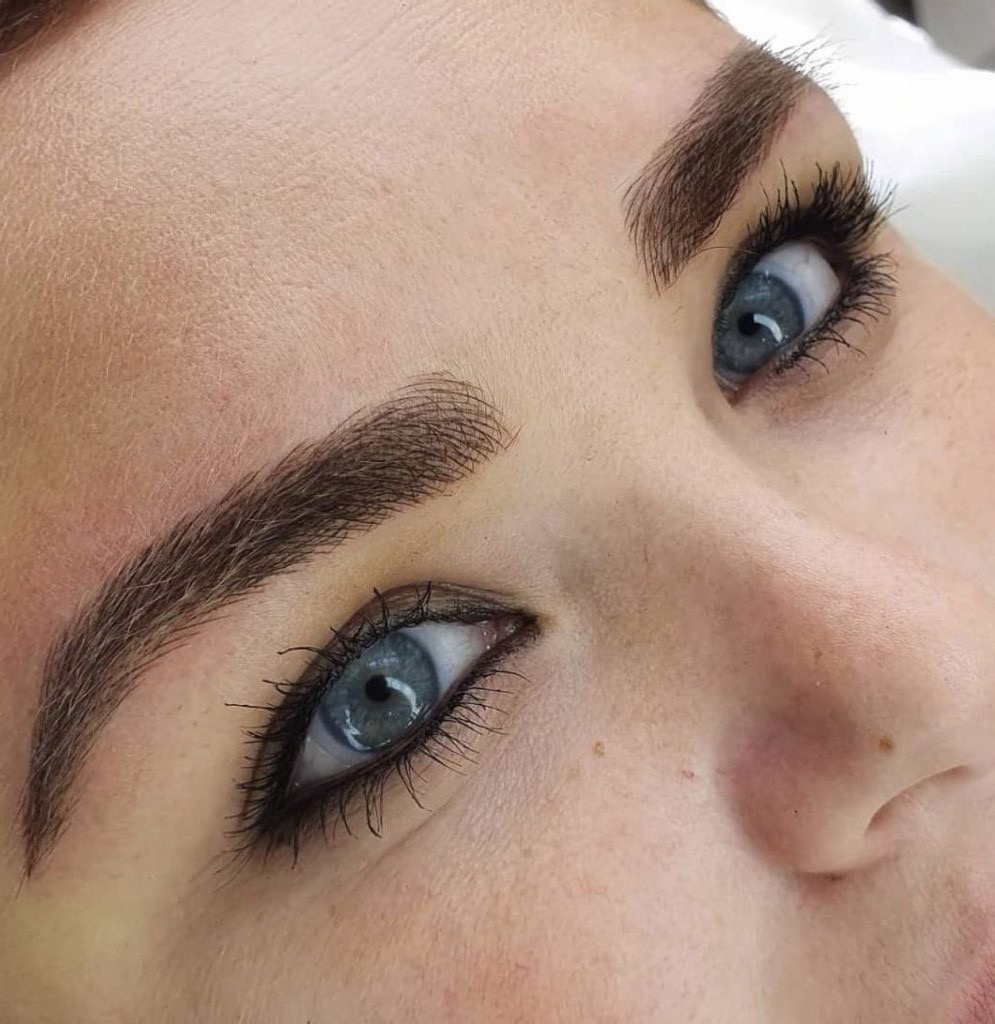
- Restoration mapping and pigment application. Where a new brow restoration is planned, this happens on the settled skin.
How to choose a clinic for PMU laser removal
Three things matter, in this order.
- Practitioner training. The person performing the treatment should be trained specifically in cosmetic tattoo removal, not generalist aesthetic laser, and fully insured for it.
- Interval discipline. Eight weeks between sessions is the clinical minimum. If a clinic offers to squeeze sessions closer together, walk away. The skin has to have time to clear the pigment safely.
- A restoration plan on the other side. Removal is rarely the goal in itself. Ask what the plan looks like after the final removal session, and confirm it is coordinated with the same practitioner.
For clinical guidance on what to look for in any aesthetic practitioner, the NHS overview of cosmetic procedures is a useful starting point.
How we approach PMU laser removal at the clinic
PMU laser removal is a sideline treatment here rather than a headline one. It is not the goal of anyone's journey. It is the specific tool that makes a beautiful new restoration possible when the cup is already full, when the shape has drifted, or when old work has aged badly.
Every removal client at Little London Clinic has a written course estimate at consultation, a complimentary patch test, and a coordinated plan for what happens on the other side of the fade. Where the removal course is being planned alongside a new restoration, the two are quoted together as one considered pathway rather than as two separate purchases.
Based at 4 George Street in Royal Leamington Spa (formerly The White House Clinic), we work with clients across Warwickshire (Warwick, Kenilworth, Stratford-upon-Avon) and further afield.
Considering PMU laser removal, restoration, or both? Book a 30-minute diagnostic consultation with Zara Rouse at Little London Clinic. We will look at your skin, discuss what is realistic, and give you a written plan before anything is booked.